Green Coffee
Green coffee is our specialty! We source our beans directly from farmers and cooperatives we've built relationships with over the last 25 years. Our green coffee team travels extensively to meet our producers and see their work, and support them through projects like Farm Gate, Proyecto Xinabajul in Guatemala, The Stumping Project, and more. Check out each coffee's product page to read our carefully prepared reviews, which go into the nuanced aromatics and flavors of each offering.




Filter
| Origin | Name | Price | Actions |
|---|---|---|---|
| South America |
Bolivia Caranavi Finca Rosita |
$8.45
|
|
|
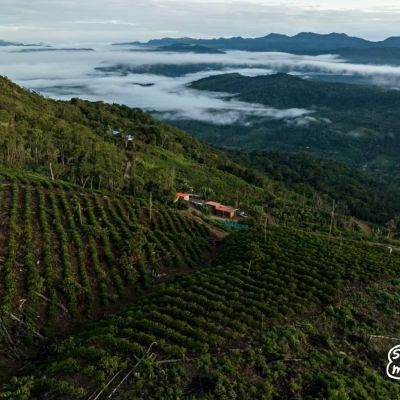
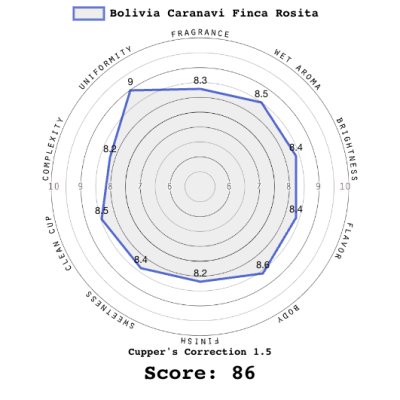
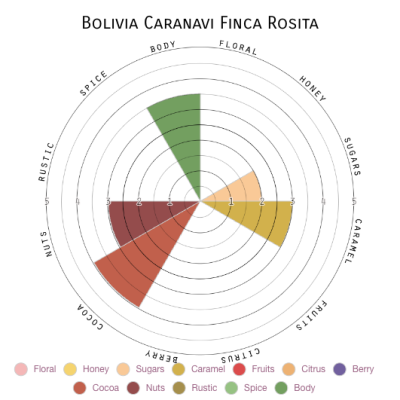
Medium roasts suit this Bolivia best, calling attention to bittersweet flavors and nutty hints that are sure to please the crowd. Burnt caramel, cocoa, pistachio, toasted grain, herbal accent. City+ to Full City+. Good for espresso. |
||
| South America |
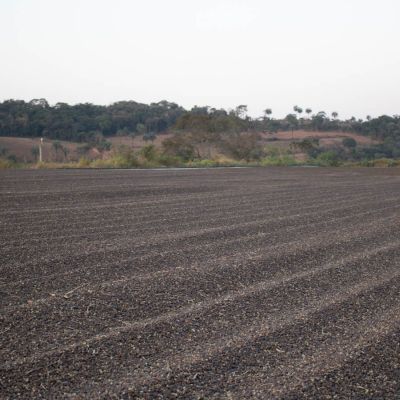
Brazil Cerrado Ana Maria Menezes |
$9.45
|
|
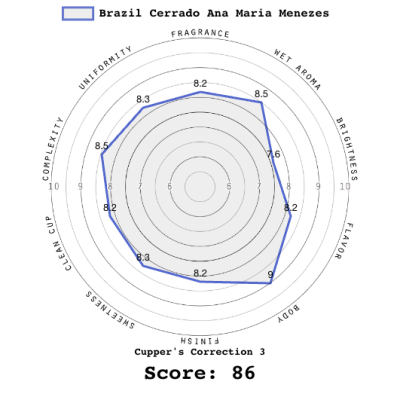
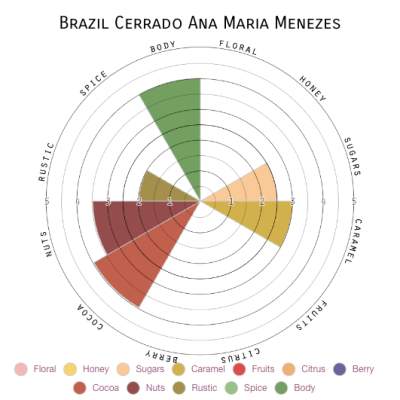
|
This lot delves into the savory nut and bittersweet chocolate flavors that Brazilian coffee is known for. Thick body and mild acidity make it a great coffee for milk drinks and espresso too! City+ to Full City+. Good for espresso. |
||
| South America |
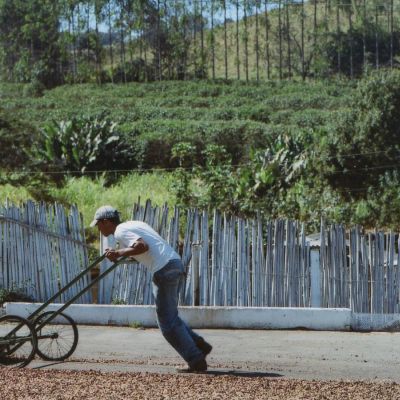
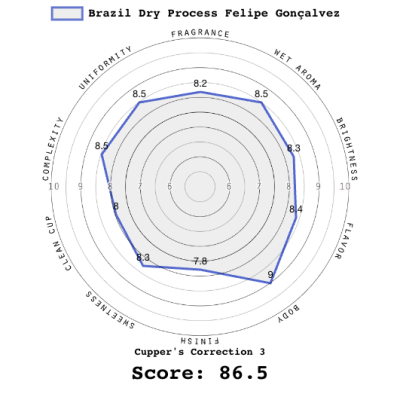
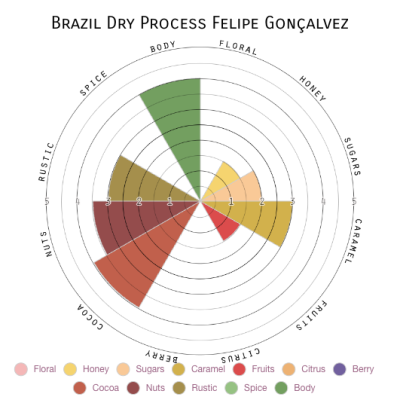
Brazil Dry Process Felipe Gonçalvez |
$9.50
|
|
|
Bittersweet profiles are accented by notes of raw nuts, and faint top notes bring out a pleasantly mild acidic hint. Flavors of hazelnut syrup, rustic prune, and chocolate liqueur. City+ to Full City+. Good for espresso. |
||
| South America |
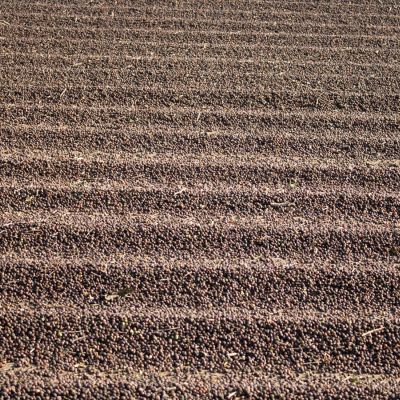
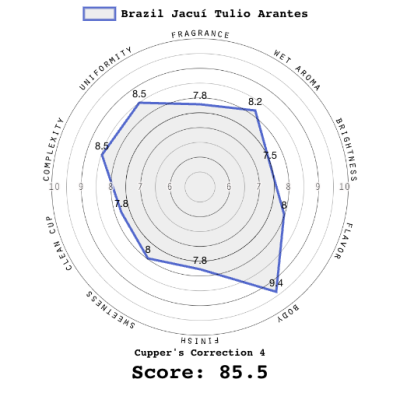
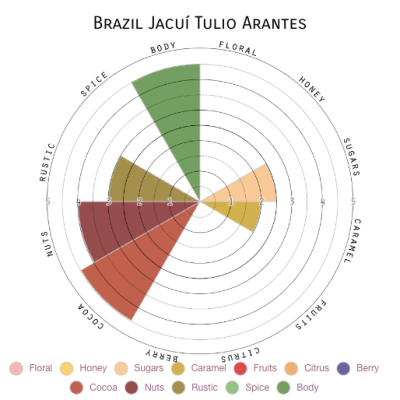
Brazil Jacuí Tulio Arantes |
$9.35
|
|
|
Mild sweetness pairs well with aggressive bass tones, and thick, creamy body. Cools to rich dark chocolate, pecan shortbread, and muted acidity that's unimposing. Full City to Full City+. Good for espresso. |
||
| South America |
Brazil Machado Recanto do Engenho |
$9.40
|
|
|
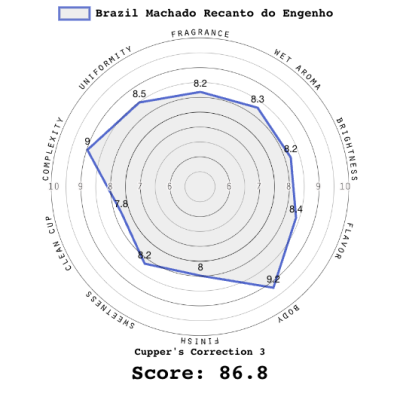
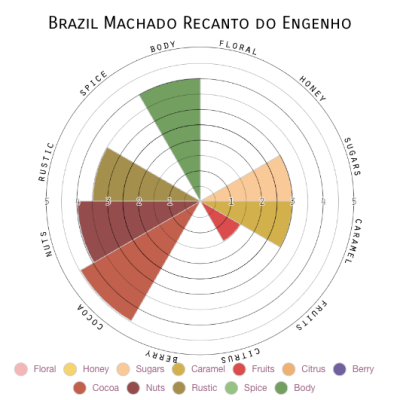
Great at medium to dark roast levels. Deep-toned flavors and umami accents, bittersweet chocolate, toasted sesame, walnut, hint of fruit leather, milky body. City+ to Full City+. Good for espresso. |
||
| South America |
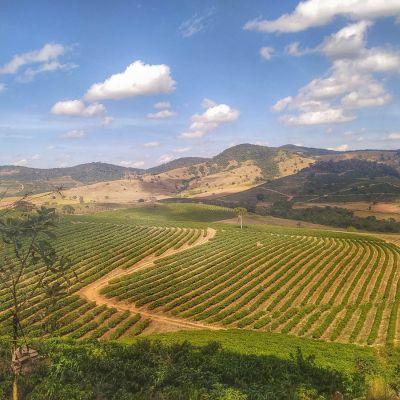
Brazil Pulp Natural Andréia Moreira |
$9.45
|
|
|
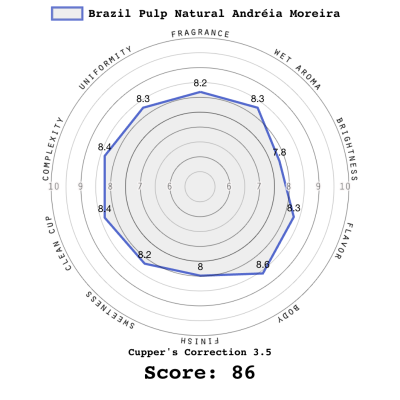
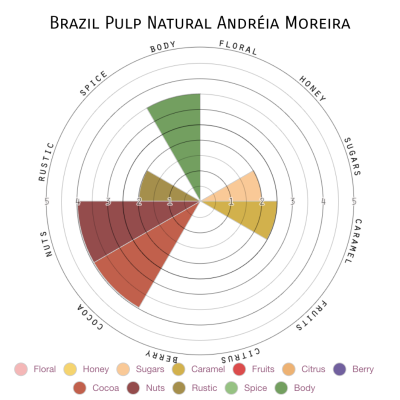
Light accents of raw sugar and roasted nuts that shift to savory bittersweets at darker levels. Caramel peanut, almond meal, cocoa dusted almond, chocolate dipped pretzel. City+ to Full City+. Good for espresso. |
||
| Africa |
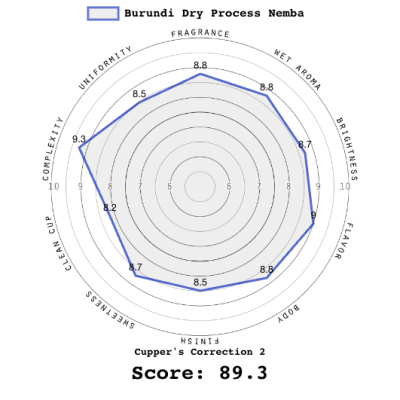
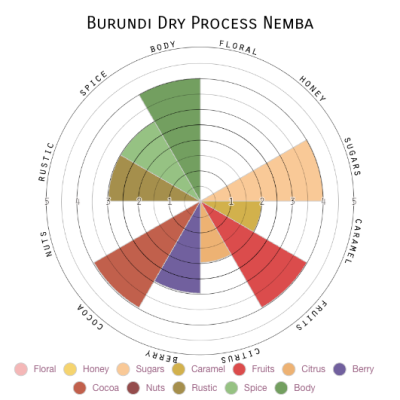
Burundi Dry Process Nemba |
$9.65
|
|
|
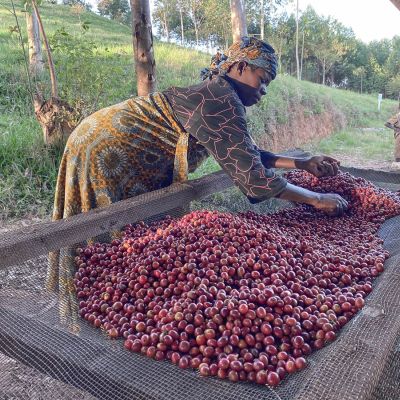
An expressive coffee that brings the type of complexity only dry process coffees can deliver. Stewed fruit, citrus rind, rustic sweeteners, dried peach, goji berry, cedar, bittersweet cocoa, and cinnamon stick. City to Full City. |
||
| South America |
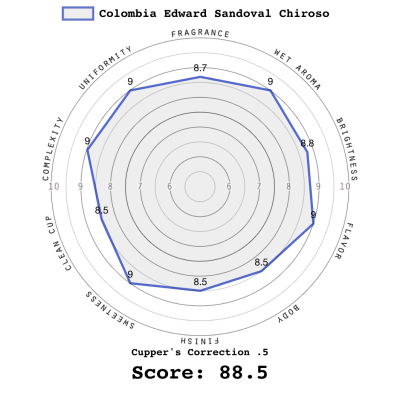
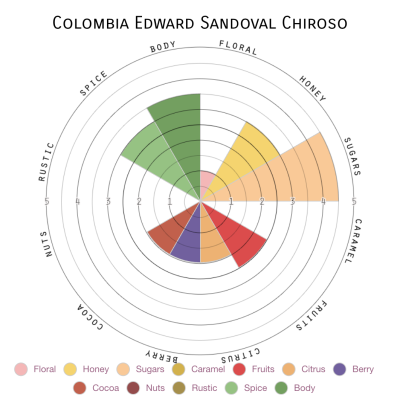
Colombia Edward Sandoval Chiroso |
$11.15
|
|

|
Light roasts are ideal, highlighting an aromatic profile of fragrant sweetness and bracing, high toned accents. Look for notes of panela, Earl Grey, hibiscus drink, spice tea, dried currant, and citrus. City to City+. |
||
| South America |
Colombia Honey Aponte Jorge Janamejoy |
$10.50
|
|
|
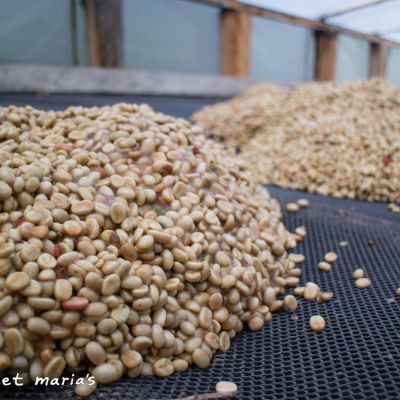
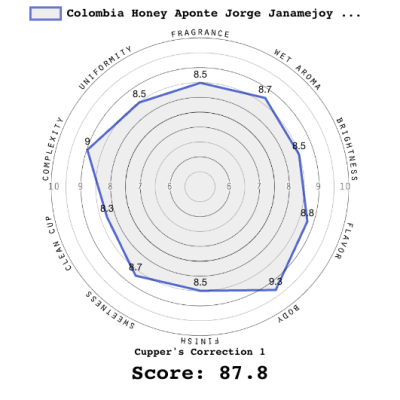
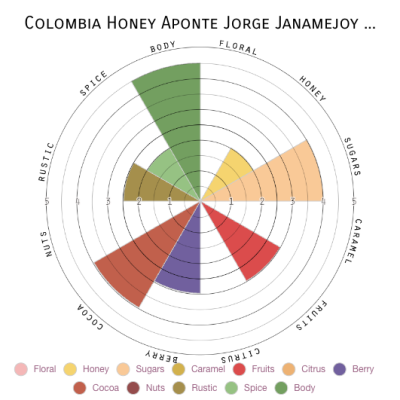
Heavy body carries flavors of raw sugar and dried fruited sweetness, with notes of molasses, panela, tangy dried apricot, golden date, and raisin bread with cinnamon. City to Full City. |
||
| South America |
Colombia Huila Pink Bourbon |
$10.60
|
|
|
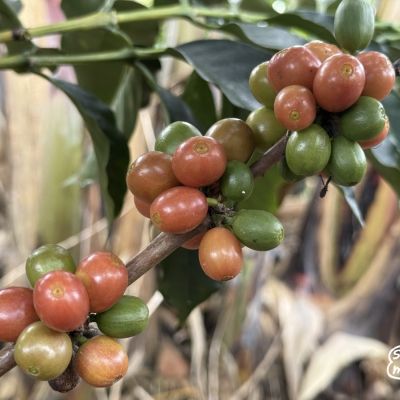
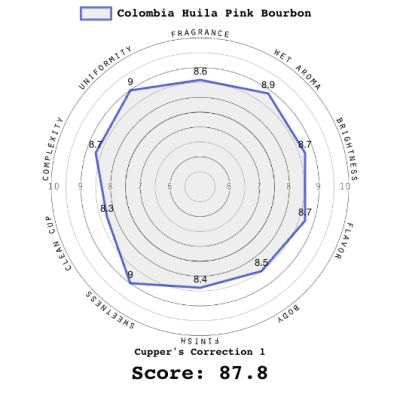
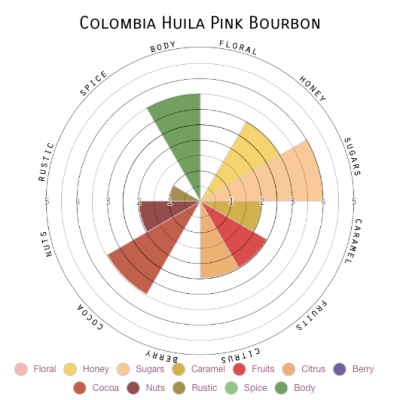
Syrupy sweetness, and articulated acidity are the theme at light and medium roast levels, with flavor notes of honey, almond torrone, whole grain hot cakes with syrup, and bright citrus highlights. City to Full City. |
||
| South America |
Colombia La Plata Raul Hector |
$9.65
|
|
|
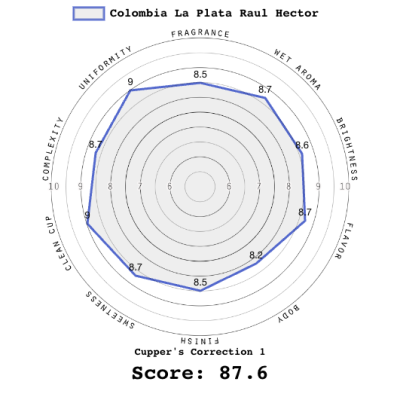
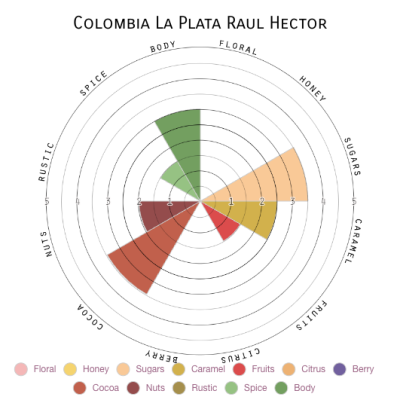
Balanced core flavors are so satisfying in the middle roasts, brown sugars juxtaposed by roast-toned bittering, hints of dried fruit, coconut, almond oil, ample acidity, and sweetly disappearing finish. City to Full City. |
||
| South America |
Colombia Nariño Alto Naranjal |
$9.35
|
|
|
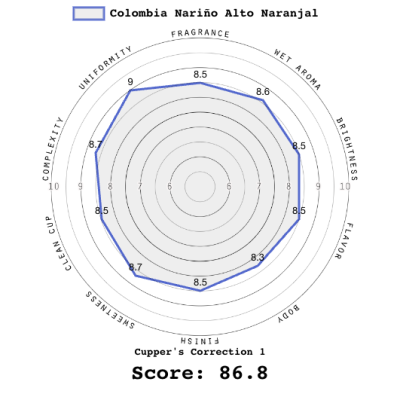
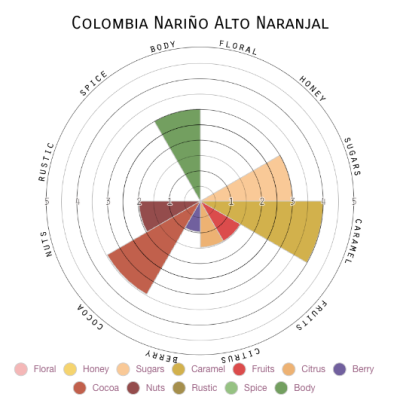
Underlying caramel sweetness clings to finishing flavors of almond, and cocoa, with tart citrus acidity, and well balanced top notes of praline, panela sugar, and dried fruit. City+ to Full City+. |
||
| South America |
Colombia Productores de Pitalito |
$9.15
|
|
|
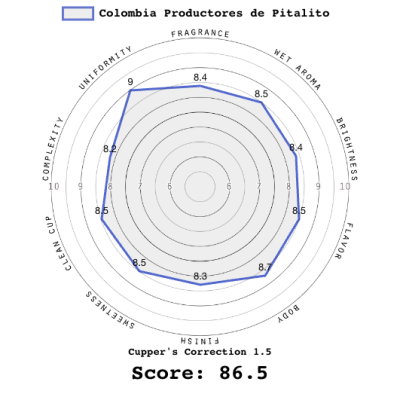
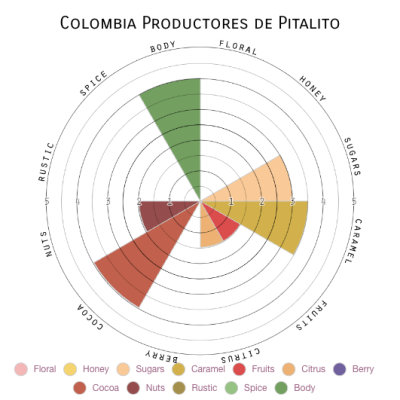
Crowd-pleasing bittersweet tones in the middle roasts, caramel-accented chocolate, malted cocoa powder, dried orange, hazelnut, and moderate level of acidity. City+ to Full City+. Good for espresso. |
||
| Sweet Maria's Blends |
Espresso Workshop #51 - Silvertone |
$9.25
|
|

|
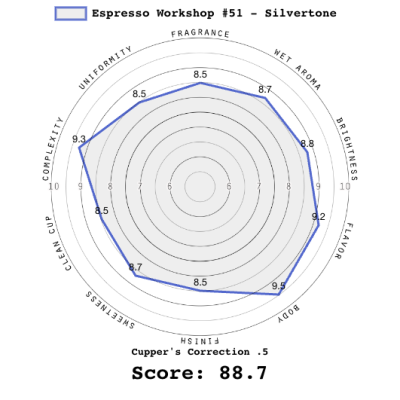
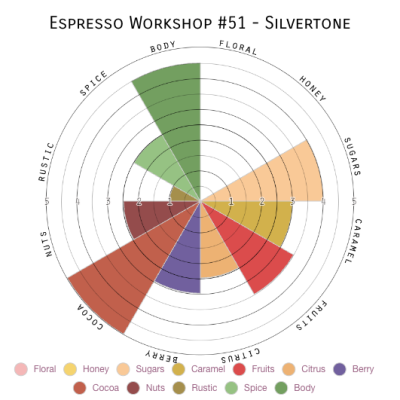
Like the amplifier for which this was named, our "Silvertone" blend is a celebration of big boomy tones and a deep bottom end, with treble-y fruit and spice notes, and reverberating finish. Full City to Full City+. Fantastic espresso. |
||
| Africa |
Ethiopia Guji Gerba Dogo |
$9.15
|
|
|
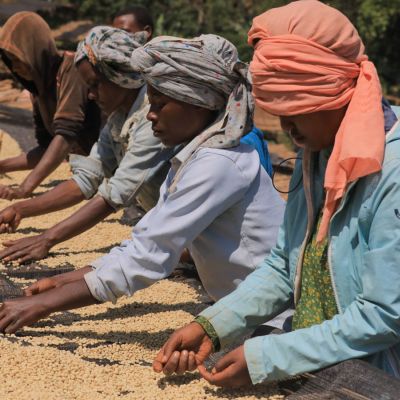
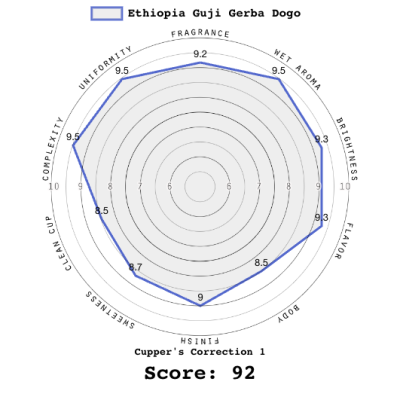
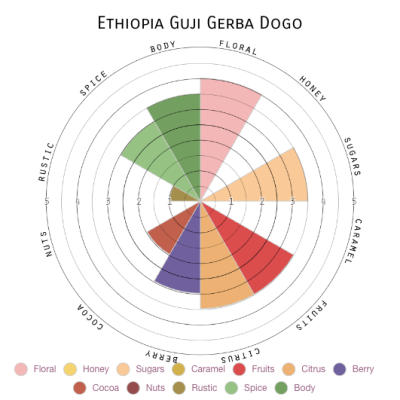
A juicy coffee in terms of fruit flavors and acidity, with perfumed aromatics that bring a delicate dimension to the cup. Berry-toned, bright citrus, bittering spices, fragrant green herbs, and jasmine flower. City to Full City. |
||
| Decaf |
Ethiopia Guji Godina SWP Decaf |
$10.40
|
|
|
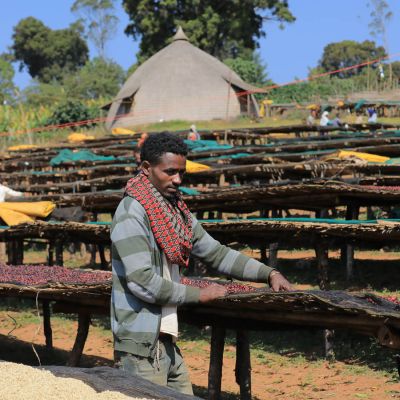
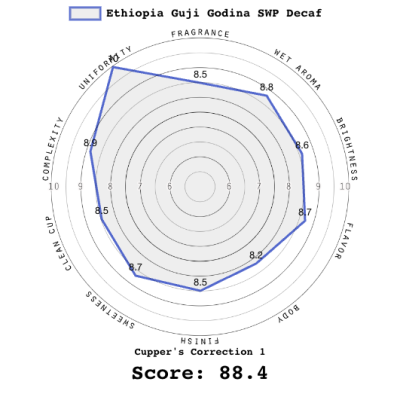
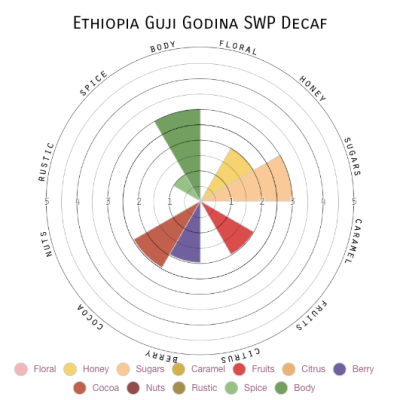
Delicious brewed coffee, cleanly fruited, and can be roasted light without tasting 'decafy' at all. Notes of Turkish apricot, apple, fruit tea, mandarin orange, with caramelized sugar accents. City to Full City. |
||
| Africa |
Ethiopia Uraga Haro |
$9.50
|
|
|
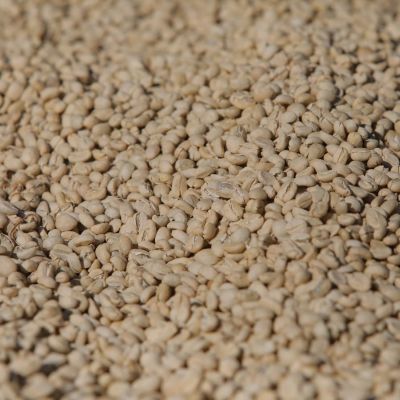
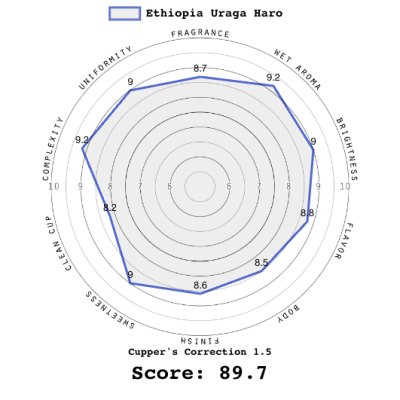
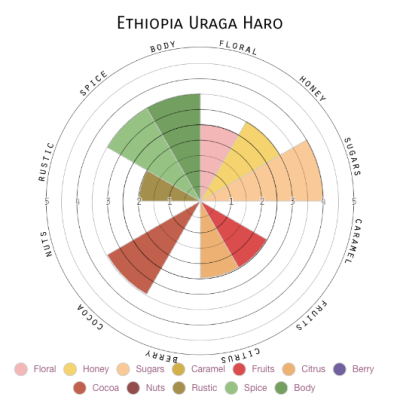
Impressive sweetness and fragrant aroma, rue, lemon basil, aromatic wood, and amber resin. Dark roasts were a surprise hit, bittersweet, jammy flavors, with whole spice. City to Full City. Good for espresso. |
||
| Indonesia & SE Asia |
Flores Dry Process Manggarai Colol Robusta |
|
|
|
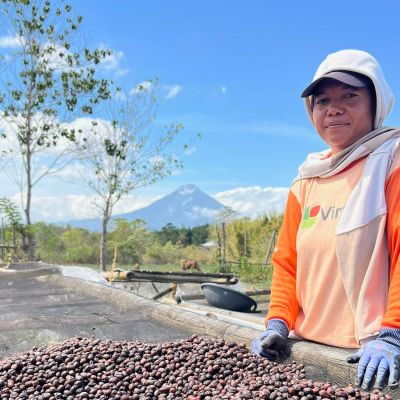
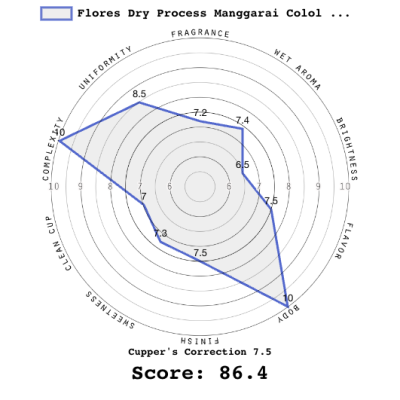
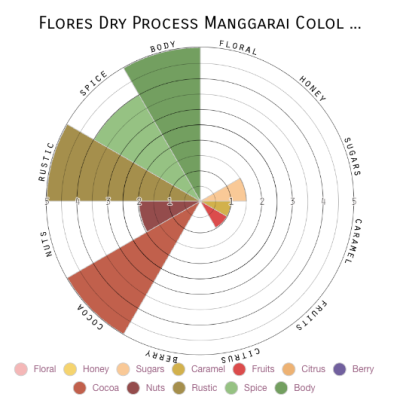
Nice Robusta example, but still aggressive and intensely bitter. Unsweetened baking chocolate, toasted grain, pungent whole spice, muted sweetness, low acidity, very thick body. Full City to French. Good for milk drinks. |
||
| Sample Sets |
Green Coffee Subscription |
$33.50
|
|
|
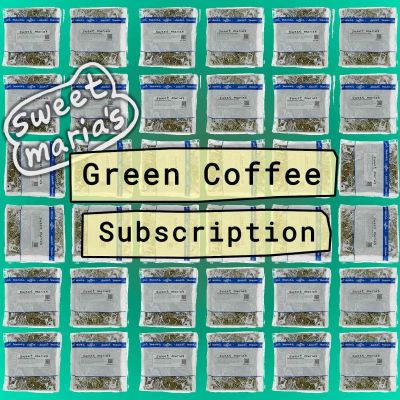
Stay in the green with our Green Coffee Subscription! Auto-shipped, pre-selected coffees from some of the best coffee-growing regions we offer. You can choose the frequency of shipments, and select either 4 pounds or 8 pounds per delivery. If you want to change the frequency, or cancel, it's easy to do at any time! |
||
| Central America |
Guatemala Huehuetenango Unión Cantinil |
$8.35
|
|
|
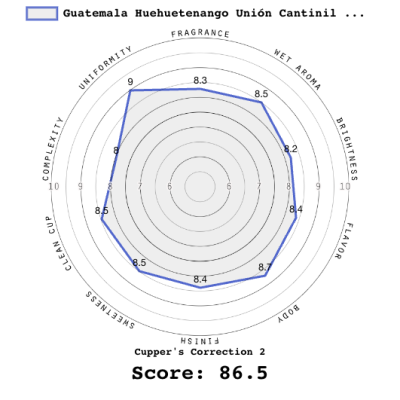
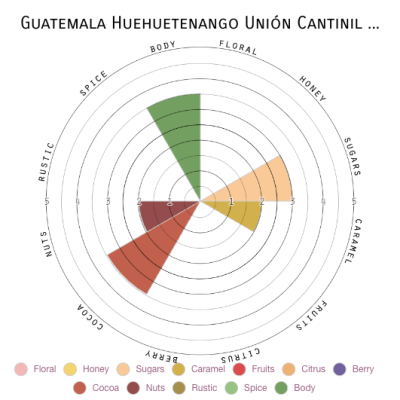
Crowd-pleasing flavors across a wide roast spectrum, bittersweet and balanced, notes of sweet baked goods, chocolate crinkle cookie, caramel-almond, dark-toned cocoa, walnut, a glint of acidity. City+ to Full City+. Good for espresso. |
||